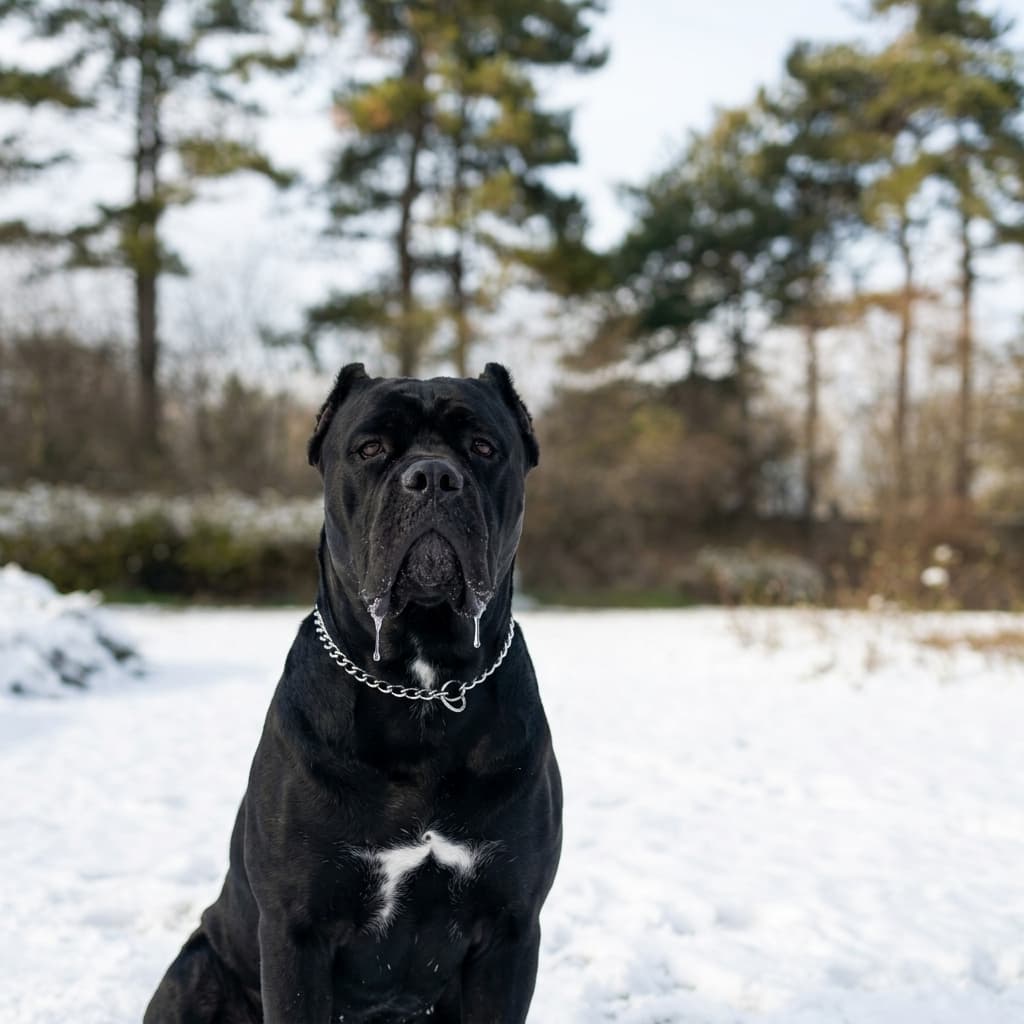
How I Keep Two Very Different Dogs Happy Without Overspending
If you'd told me a few years ago that I'd end up with both a Brittany Spaniel and a Cane Corso under one roof, I would have laughed.
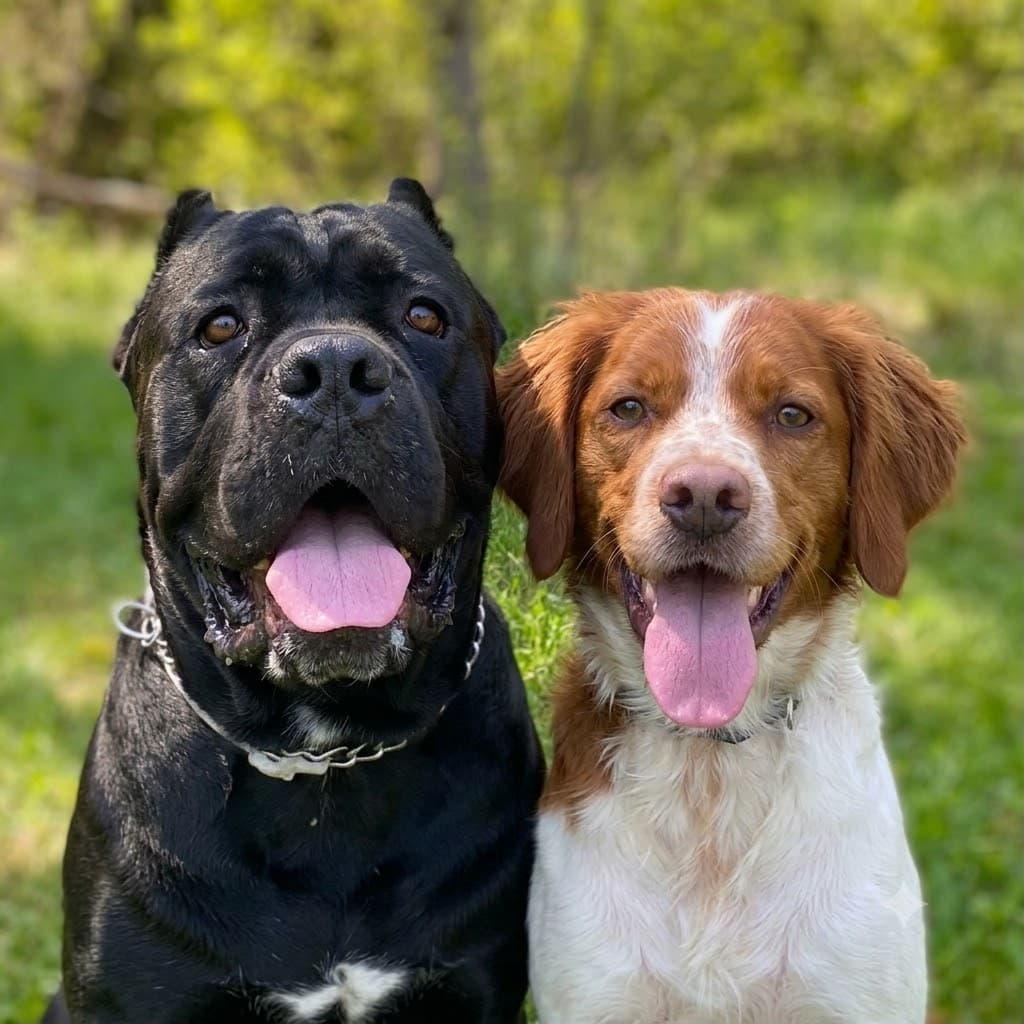
Meet Novak, my Brittany — a compact, bird-obsessed ball of energy who could run all day if you let him. And Vito, my Cane Corso — a giant, laid-back guy whose idea of a rough day is being asked to walk for more than ten minutes. On paper, these two boys have almost nothing in common.
Vito, in particular, took me by surprise. I expected a big, athletic breed to need a lot of exercise. Instead, I got a dog who genuinely gets a bit sulky on walks — head down, dragging a little, clearly not thrilled about the whole affair. Meanwhile Novak is bouncing off the walls next to him, ready to run for an hour. Figuring out how to keep both boys happy, active, and in sync with each other — without spending a fortune on solutions — became the whole reason I started this blog.
I want to be clear that this is my Vito, not a Cane Corso thing in general. I know other Cane Corso owners who go jogging with their dogs, no complaints at all. Mine just happens to be a couch potato. That said, as a breed, Cane Corsos generally aren't as demanding physically as people expect from a dog their size — they're not bred for endurance work the way something like a Malinois or a working-line Brittany is, so moderate exercise is often enough even for a more active individual. Vito just takes that to the extreme.
Here's what I've learned so far.
1. Exercise: Match the Activity to the Dog, Not the Trend
Novak needs to move. He's a working-line bird dog underneath all that cuteness, and if he doesn't get real exercise, he turns into a furry tornado indoors. Vito is the opposite — he's happy, arguably happiest, doing very little. Over-exercising a giant breed, especially a younger one, can also be hard on their joints, so with him, less genuinely is more.
The real challenge wasn't finding activities for each dog separately — it was figuring out how to walk them together without one dragging and one dragging the leash out of my hand. Here's the routine that finally worked for us:
- We start with a shared 1–2 km walk, at a pace Vito can handle without complaining. This is the "syncing up" part — a manageable distance that counts as real exercise for him and works off Novak's initial burst of energy.
- Then we head to an open field and let them both off-leash. This is where the real difference shows: Novak takes off running, playing fetch, doing laps like it's the whole point of his day. Vito, meanwhile, wanders, sniffs, maybe ambles around a bit — or just lies down in the grass and takes in the sounds of nature.
That combination — a short structured walk followed by unstructured free time — turned out to be the budget-friendly answer to a problem I originally thought I'd need training classes or expensive enrichment gear to solve. It didn't cost anything extra. It just took paying attention to what each dog was telling us.
Budget tip: You don't need a fenced dog park membership or a treadmill. A short shared walk plus off-leash field time (even just an open, safe space near you) can meet two completely different exercise needs at once, for free.
2. Food: Don't Overpay, But Don't Under-Feed Either
This is where owning two very different dogs threw me a curveball. You'd expect the 100+ lb dog to be the expensive one to feed — but in our house, it's actually Novak's food that costs more, even though he's the smaller dog.
Novak eats kibble, plus supplements, and needs a genuinely higher-quality formula to keep his energy up — he burns through calories fast, and cheaping out on his food showed almost immediately in his coat and energy levels. Vito, on the other hand, eats raw — around 1 kg of chicken a day — and thrives on it. We actually tried Novak on a raw diet first, since it seemed like the "better" option, but he kept throwing it up. It just didn't agree with him. That might be a Brittany thing, or it might just be him — every dog's digestion is different, and I wouldn't assume raw is off the table for every Brittany out there. But for Vito, raw is clearly the right call: he does better on it than he ever did on kibble.
So per kilogram, Vito's food is actually cheaper. Novak's food costs roughly double, once you factor in the higher-quality kibble and supplements he needs to stay in good shape.
On top of their main meals, both boys get occasional extras — raw carrot, banana, apple, cucumber, and blueberries as snacks, plus a raw egg here and there for a bit of extra protein. None of this is expensive, but it adds variety, some natural vitamins, and a bit of extra protein without needing to buy specialty supplements or treats.
What's worked for me:
- Not assuming one feeding method is automatically "better" or "cheaper" — testing what each dog's body actually tolerates well, even if it means more trial and error upfront.
- Portioning meals carefully based on activity level and body type, not just going by bag recommendations.
- Skipping expensive treats and using small pieces of their regular food (kibble for Novak, small bits of chicken for Vito) for training rewards.
Budget tip: Don't assume size determines cost. In our case, the smaller dog's food is actually the pricier one, because his body needs a higher-quality kibble and supplements to stay healthy, while the giant breed thrives on simple raw meat. Test what actually works for your dog's body before assuming you know which one will cost more.
3. Gear: Buy Once for the Big Dog, Buy Cheap for the Small One
Here's a lesson that cost me a little trial and error: gear durability matters way more for a 100+ lb dog than a 40 lb one.
- For Vito, I invest in a genuinely sturdy leash, harness, and collar — because a $10 leash will snap, and replacing it three times costs more than buying a good one once.
- For Novak, mid-range gear works fine, including a flexi leash — it gives him a bit more freedom to sniff and roam on our shared walks without needing to be fully off-leash the whole time. He's not testing equipment strength the same way Vito would.
Budget tip: Spend where the dog's size or strength demands it. Don't assume "expensive = necessary" across the board — assess each dog individually.
4. Mental Stimulation Doesn't Require a Credit Card
Both dogs need mental engagement, just in different forms. Novak thrives on scent games and training sessions. Vito enjoys puzzle feeders and simply being included in daily routines — Cane Corsos bond hard with "their people," and just being present with the family is half the enrichment for him.
Free or nearly-free things that work for both:
- Hiding kibble around the house or yard for a sniff-and-find game
- Rotating a small handful of toys instead of buying new ones constantly (novelty resets interest)
- Basic obedience refreshers — free, and genuinely tiring for a dog's brain
5. Preventative Care Saves You Money Later
This one isn't glamorous, but it's the biggest budget lesson of all: consistent, boring preventative care is cheaper than emergency care. Regular nail trims, teeth brushing, weight monitoring, and staying current on parasite prevention cost far less than the vet bills that show up when those things get neglected.
I do as much of this at home as I can — nail trims, ear cleaning, brushing — and save the vet visits for what actually needs a professional.
The Bigger Lesson
Owning two very different dogs forced me to stop following generic "what dogs need" advice and start asking "what does this dog need." That mindset shift is really the foundation of this whole blog: happy, healthy dogs don't come from spending the most money — they come from spending it in the right places.
If you've got multiple dogs, especially ones with different sizes or energy levels, I'd love to hear how you balance their needs without your wallet taking the hit. This is just the start — more budget-friendly, breed-specific tips coming soon.
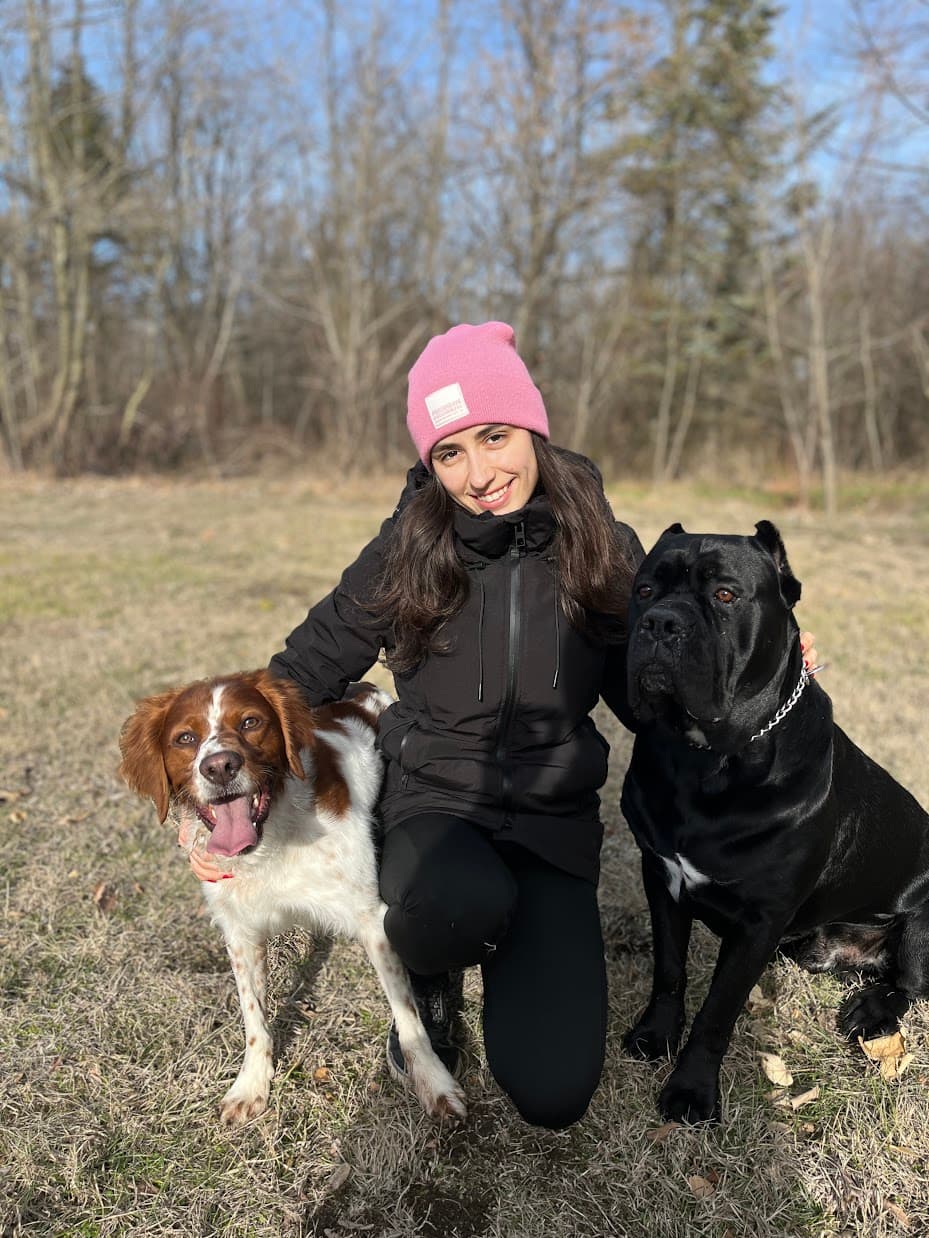
Written by Clever Pawrents
Hi, I'm the human behind Clever Pawrents. I love helping dog owners save money while giving their dogs the best life possible. I share my life with Novak, an energetic Brittany Spaniel, and Vito, a gentle giant Cane Corso.